
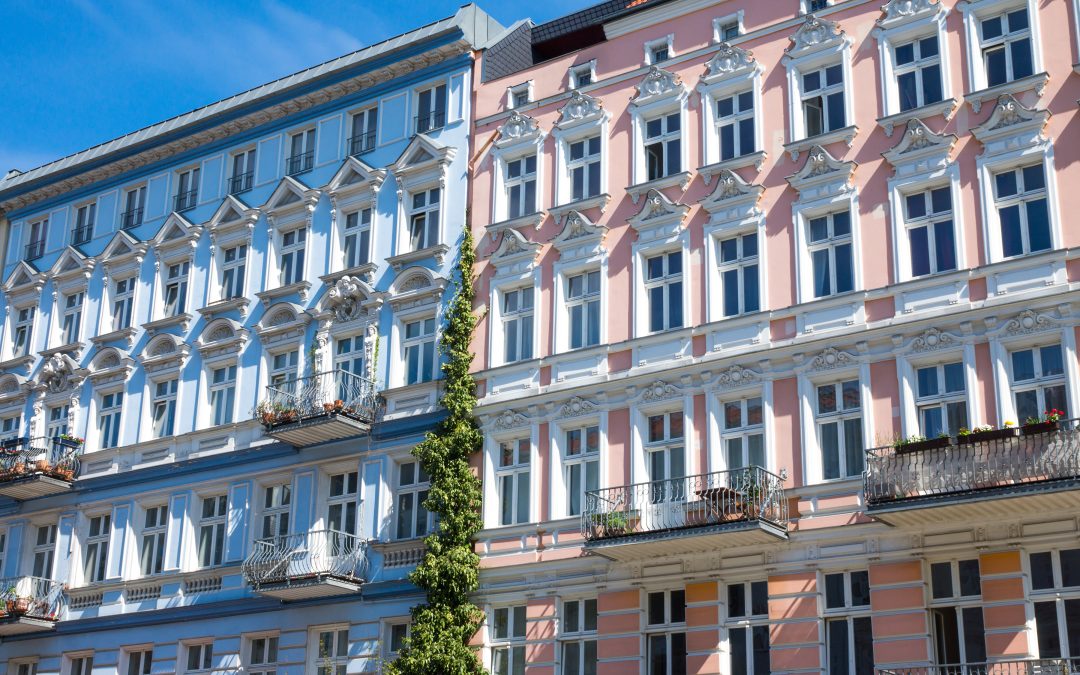
In a world constantly evolving, we often find ourselves seeking a balance between preserving the rich tapestry of our architectural heritage and embracing modernity. One solution that embodies this harmony is historical building restoration. In this blog post, we will delve into the captivating world of restoring historical buildings, exploring the significance of this endeavor and the remarkable benefits it offers.
A Glimpse into History
Historical buildings, with their timeless charm and architectural grandeur, serve as living relics of our past. From historic homes and churches to factories, theaters, and civic buildings, these structures provide us with a tangible connection to bygone eras. Their unique designs and rich stories captivate our imaginations, reminding us of the craftsmanship and artistry of yesteryears.
Preservation of Cultural Identity
Restoring historical buildings goes beyond mere bricks and mortar; it’s about preserving the cultural identity of a community. These architectural gems play a significant role in shaping the character and soul of a place. By investing in their restoration, we honor our ancestors’ craftsmanship and ensure that the next generation can appreciate and learn from the past.
Sustainability and Environmental Benefits
Historical building restoration often emphasises sustainability. Renovating an old structure is inherently eco-friendly since it reduces the need for new materials and minimises construction waste. Additionally, older buildings, when properly restored, can be equipped with modern energy-efficient technologies, making them more environmentally friendly than their original counterparts.
Adapting to Modern Needs
One of the remarkable aspects of historical building restoration is the ability to adapt these structures to meet contemporary needs. Whether it’s converting a historic warehouse into trendy loft apartments or refurbishing a historic school into a community center, these projects breathe new life into structures that might otherwise have been lost to decay.
Economic Revitalisation
Historical building restoration can also be a catalyst for economic revitalisation. Rejuvenated historic districts often attract businesses, tourists, and residents, thereby boosting local economies. The charm and character of well-restored buildings can make them highly desirable, driving up property values and encouraging investment in the area.
Preserving Architectural Excellence
Many historical buildings boast architectural features and craftsmanship that are simply irreplaceable. The artistry and attention to detail that went into these structures are often unmatched in modern construction. Restoring historical buildings is an act of preserving architectural excellence, ensuring that future generations can continue to appreciate and learn from these masterpieces.
Challenges and Expertise
While the benefits of historical building restoration are plentiful, it’s essential to recognise the challenges involved. Restoration projects often demand a unique set of skills, in-depth historical research, and expertise in architectural preservation. Working with experienced professionals, such as Silver Path Building Services, can make all the difference in the success of such endeavors. They understand the intricacies of historical restoration and are equipped to navigate the complexities of working with old structures while incorporating modern conveniences.
Conclusion
Historical building restoration is a remarkable journey that bridges the gap between preserving the past and embracing the future. It celebrates the architectural gems of our history, sustains cultural identity, and promotes sustainability, all while invigorating local economies. With the right experts guiding the way, historical building restoration ensures that these irreplaceable treasures will continue to inspire awe and admiration for generations to come. At Silver Path Building Services, we are committed to preserving our architectural heritage while adapting it to meet the needs of today. Join us in this transformative journey as we honor our past and build for the future.